Conversion in progress ...

Please wait while we generate your PDF

Home Buyer Readiness Guide

Review your goals, finances, timeline, preferred locations, and property priorities before beginning your home search.
Let's Dive In

Welcome

BUYINGSTARTS BEFORE THE SEARCH

Buying a home does not start with scrolling through listings.

It starts with understanding what you need, what you can comfortably afford, and whether your timing makes sense.

This guide will help you review the 8 areas that matter most before beginning your home search:

  • Personal goals and timeline
  • Current housing situation
  • Income and employment stability
  • Savings and available funds
  • Credit considerations
  • Monthly payment comfort
  • Preferred locations
  • Must-haves versus preferences

Guide Overview

THE8 AREASOF HOME BUYER READINESS

Use these 8 areas to identify what is clear, what needs attention, and what your next practical step should be.

Personal-Goals-and-Timeline-photo

1. Personal Goals and Timeline

Clarify why you want to buy, what the move needs to accomplish, and when you would ideally like to move.

Current-Housing-Situation-phoot

2. Current Housing Situation

Understand how your lease, current home, property sale, or other housing commitments may affect your timing.

Income-and-employment-photo

3. Income and Employment

Review whether your income is stable, documentable, and likely to continue through the buying process.

savings-and-available-funds-photo

4. Savings and Available Funds

Estimate the money available for the down payment, closing expenses, inspections, moving, and reserves.

credit-considerations-photo

5. Credit Considerations

Estimate the money available for the down payment, closing expenses, inspections, moving, and reserves.

monthly-payment-photo

6. Monthly Payment Comfort

Estimate the money available for the down payment, closing expenses, inspections, moving, and reserves.

locations-photo

7. Preferred Locations

Compare communities based on commute, services, roads, lot size, privacy, costs, and daily needs.

must-haves-photo

8. Must-Haves and Preferences

Separate the features your next home needs from the features you would simply like to have.

Readiness Area 1

Personal Goals and Timeline

Before deciding what to buy, get clear about why you want to buy. Your reason will affect your timing, budget, location, and the type of property that makes sense.

Your reason for buying should guide the rest of your decisions.

More Space

You may need another bedroom, a larger living area, more storage, a home office, or enough room for your household to grow comfortably.

Less Maintenance

A smaller home, newer construction, community-maintained property, or simpler yard may support the simpler lifestyle you are looking for.

Relocation for Work or Family

A job change, family responsibility, or desire to live closer to important people may determine your location and how quickly you need to move.

More Privacy or Land

You may want more distance from neighbors, a larger lot, outdoor space, or land that supports how you plan to use the property.

Stop Renting

You may be ready to explore homeownership, build greater housing stability, and have more control over your living space.

A Location That Fits Daily Life

A shorter commute or better access to work, family, shopping, schools, medical care, and services may be the main reason for your move.

Readiness Area 1, Continued

What Does The Move Need To Accomplish?

A Newer Home

You may prefer modern systems, fewer immediate repairs, updated construction, or the ability to select certain finishes.

Space for Your Lifestyle

Your next property may need room for animals, gardening, equipment, an RV, a boat, a workshop, or other activities that matter to you.

A Changing Household

Marriage, children, multigenerational living, separation, or another household change may create different space and location needs.

Planning for Retirement

You may be looking for lower maintenance, fewer stairs, manageable expenses, additional privacy, or a location that better supports your long-term plans.

An Investment or Second Property

You may be purchasing for rental income, future use, seasonal living, family needs, or another purpose beyond your primary residence.

ASK YOURSELF

  • What is the main reason I want to buy?
  • What does this purchase need to improve?
  • When would I ideally like to move?
  • Is my timeline firm, flexible, or still being determined?

Readiness Check:

You are ready in this area when you can explain why you want to buy, what the property needs to accomplish, and when the move should happen.

Readiness Area 2

Current Housing Situation

Your current housing situation may affect when you can move, how quickly you can act, and whether another transaction needs to happen first.

Your Lease Timeline

Review when your lease ends, how much notice you must provide, whether an early termination fee applies, and whether an extension may be available if closing is delayed.

Selling Before Buying

Determine whether you must sell your current home before purchasing another property. Review your estimated value, mortgage balance, property condition, and preparation timeline.

Owning Two Properties Temporarily

Consider whether your finances and loan approval could support both properties for a period of time. Discuss this possibility with a qualified lender before making assumptions.

Temporary or Family Housing

Living with family or in temporary housing may provide flexibility, but you should still identify any deadlines, storage needs, moving costs, or household expectations.

A Property That Is Not Ready to Sell

Repairs, cleanup, legal matters, tenant occupancy, estate administration, or missing records may affect when the property can be listed or transferred.

Outside Timing Factors

Job transfers, school calendars, retirement dates, family changes, construction completion, probate, divorce, or another legal matter may determine when you can move.

You may be ready to move forward in this area when you understand:

When you can leave your current property, whether you need to sell before buying, what notice or preparation is required, what could delay the move, and whether temporary housing may be needed.

Readiness Area 3

INCOME AND EMPLOYMENT STABILITY

A lender will generally review whether your income can be documented and whether it appears likely to continue. 

Income may come from employment, selfemployment, commissions, retirement, benefits, investments, rental property, or other eligible sources. The lender determines what documentation can be used.

Employment History

Review how long you have been in your current job, profession, or line of work and whether any recent changes will need to be explained.

Documentable Income

Make sure you can provide records supporting the income you plan to use. Documentation may include pay statements, tax returns, W-2 forms, benefit statements, or business records.

Variable or Commission Income

Commission, overtime, bonus, seasonal, contract, and gig income may require additional history or documentation. Ask a lender how that income may be evaluated.

Readiness Area 3, Continued

Document The Income You Plan To Use

Self-Employment

Self-employed buyers may need personal and business tax returns, profitand-loss information, bank records, and other documents requested by the lender.

Expected Employment Changes

A job change, reduced hours, retirement, leave of absence, or move to selfemployment may affect financing. Discuss upcoming changes before relying on a particular approval amount.

Co-Borrower Income

When another person will apply with you, review their income, credit, debts, employment, and available funds as part of the same preparation process.

The Consumer Financial Protection Bureau recommends gathering accurate and complete income, employment, asset, debt, and down-payment documentation before submitting mortgage applications

YOU ARE better prepared WHEN

  • Your income is reasonably stable 
  • Your income can be documented 
  • You understand which income sources may qualify 
  • You are prepared to explain major changes 
  • You are not expecting an immediate financial disruption 

Readiness Area 4

Savings And Available Funds

Buying a home usually requires more than a down payment. Plan for the purchase itself and for expenses that may occur before, during, and shortly after closing.

The Consumer Financial Protection Bureau recommends adding up available funds and then setting aside money for moving, repairs, other savings goals, and an emergency cushion before deciding how much cash is available for closing.

consumerfinance.gov/owning-a-home/prepare/determineyour-down-payment/

Down Payment

The amount required depends on the loan program, lender, property, and your qualifications. Do not assume that every buyer needs the same percentage.

Earnest Money Deposit

An offer may require a deposit after the contract is accepted. The contract determines the amount, deadline, holder, and circumstances affecting the funds.

Inspections

Budget for the general home inspection and any specialist inspections that may be appropriate for the property.

Appraisal

Your loan may require an appraisal. Confirm with the lender whether the appraisal fee is collected in advance or included elsewhere in the loan process.

Loan and Closing Expenses

Closing expenses depend on the loan, lender, property, location, title work, prepaid items, and transaction terms.

Insurance and Prepaid Expenses

You may need funds for homeowners insurance, flood insurance when applicable, property taxes, and other prepaid or escrowed costs.

Readiness Area 4, Continued

Plan For The Purchase And What Comes After

Moving and Utility Setup

Plan for movers, trucks, storage, utility deposits, internet setup, travel, and overlap between your current and future housing.

Repairs and Immediate Improvements

Even a well-maintained home may need locks, paint, appliances, equipment, maintenance, or minor repairs shortly after closing.

Emergency Reserve

Avoid using every available dollar for the purchase. Keep funds available for home repairs, personal emergencies, and changes in monthly expenses.

Documenting Your Funds

Lenders may require statements showing where money came from. Discuss gifts, transfers, property-sale proceeds, cash deposits, and other large transactions with the lender.

ESTIMATE

  • Funds currently available 
  • Funds expected from a sale or gift 
  • Expected purchasing expenses 
  • Moving and improvement costs 
  • The minimum reserve you want to keep after
    closing

WORKSHEET

Funds currently available:

Expected sale or gift funds:

Estimated purchase expenses:

Moving and immediate improvement budget:

Minimum reserve after closing:

Readiness Area 5

Credit Considerations

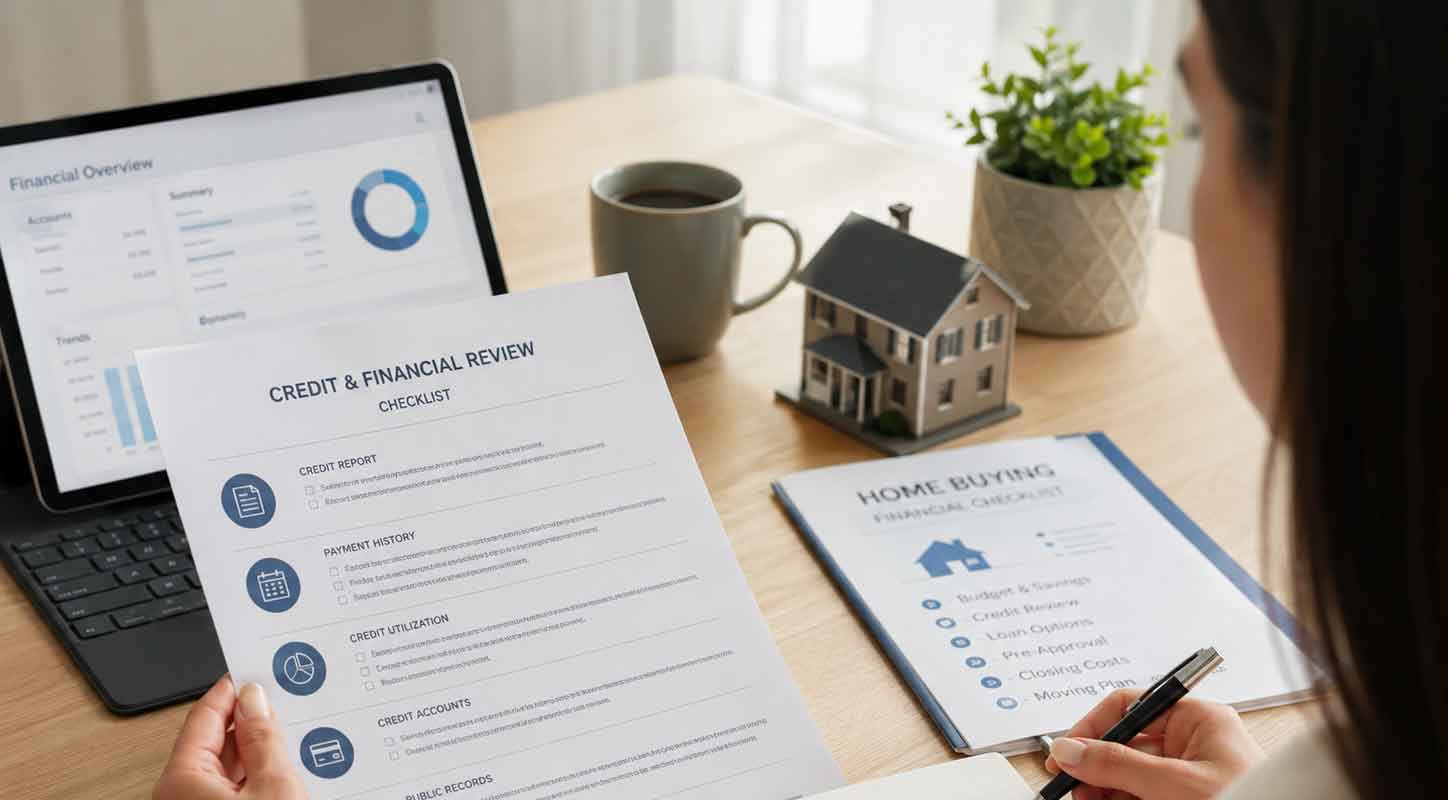
Your credit history can affect whether you qualify for financing and the terms a lender may offer. Review your credit reports early enough to identify errors or issues before you are trying to make an offer. Checking your own reports does not lower your credit scores.

AnnualCreditReport.com is the federally authorized source for requesting free credit reports from the nationwide credit reporting companies.

Review Your Credit Reports

Confirm that the accounts, balances, payment history, addresses, and personal information shown on your reports are accurate.

Dispute Inaccurate Information

Investigate accounts you do not recognize and dispute inaccurate or incomplete information through the appropriate credit reporting company.

Pay Bills on Time

Continue making required payments on time. A missed or late payment during the buying process may create problems.

Know Your Monthly Debts

List your credit cards, auto loans, student loans, personal loans, support obligations, co-signed debts, and other recurring= payments.

Readiness Area 5, Continued

Protect Your Credit While You Prepare

Avoid Unnecessary New Credit

Do not finance furniture, vehicles, equipment, or other large purchases without first discussing the possible effect with your lender.

Be Careful When Closing Accounts

Closing a credit account may not improve your application and can affect your credit profile. Ask a qualified lender before making a major change.

Address Problems With a Plan

Collections, late payments, high balances, or limited credit do not automatically mean you cannot buy. They may mean you need more time or professional guidance.

A credit concern does not automatically mean you cannot buy. It may mean you need a plan, additional time, or qualified guidance.

You are ready in this area when you have reviewed your credit, understand your debts, and know whether anything needs to be corrected or discussed with a lender.

Sources: Consumer Financial Protection Bureau | AnnualCreditReport.com

Readiness Area 6

Monthly Payment Comfort

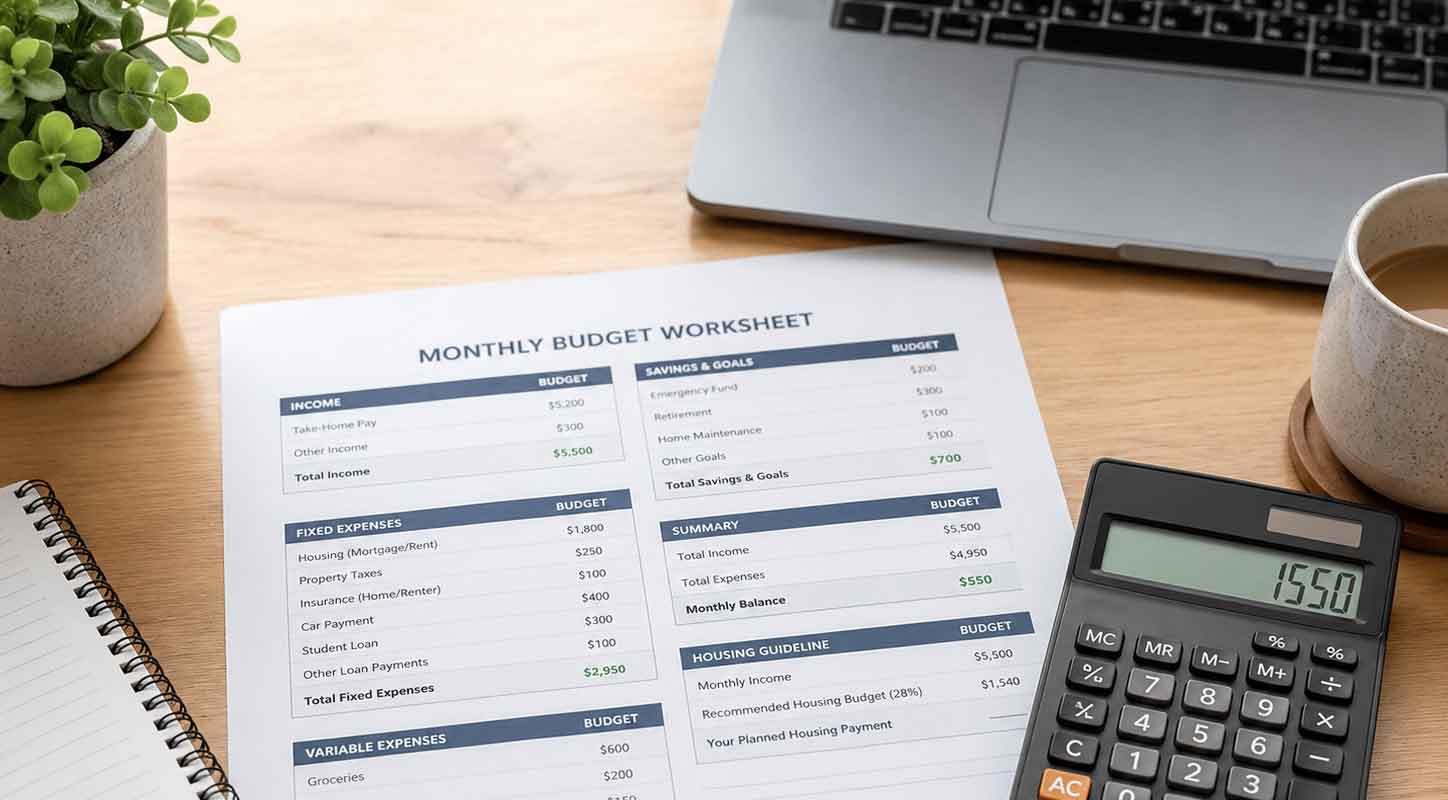
A lender may tell you the maximum loan amount for which you qualify. That number is not automatically the amount you should spend.

Your comfortable payment should leave room for your normal expenses, savings, maintenance, transportation, family obligations, and unexpected costs.

YOUR TOTAL MONTHLY HOUSING EXPENSE MAY INCLUDE

  • Mortgage principal
  • Mortgage interest
  • Property taxes
  • Homeowners insurance
  • Mortgage insurance, when applicable

ADDITIONAL COSTS MAY INCLUDE

  • Flood or other supplemental insurance,
  • when applicable
  • HOA or community fees
  • Utilities
  • Property maintenance

The Consumer Financial Protection Bureau recommends building a budget around the total monthly home payment and maintaining a cushion for expenses that turn out higher than estimated.

consumerfinance.gov/owning-a-home/prepare/figure-out-how-much-you-want-to-spend/

Readiness Area 6, Continued

Choose A Payment That Supports Your Life

QUESTIONS TO CONSIDER

  • What do you currently pay for housing?
  • What total monthly payment would feel comfortable?
  • What is the highest payment you would consider?
  • Can you continue saving?
  • Can you maintain the property?
  • Can you handle increases in insurance, taxes, utilities, or
  • repairs?
  • What parts of your lifestyle are you unwilling to sacrifice?

WORKSHEET

Current total monthly housing expense:

Preferred total monthly housing payment:

Maximum payment you would consider:

Choose a payment that supports your life, not simply the largest loan amount available.

Readiness Check: You are ready in this area when you have a preferred total monthly payment range and understand what costs must be included.

Readiness Area 7

Preferred Locations

A property can work on paper and still be wrong for your daily life.

Compare locations based on how you will actually live and use the property.

Commute and Daily Travel

Review travel time to work, school, family, medical appointments, shopping, and other places you use regularly.

Commute and Daily Travel

Decide whether paved roads, maintained access, certain driveway conditions, or proximity to major routes are important to you.

Shopping and Services

Consider the distance to groceries, fuel, pharmacies, medical care, restaurants, repairs, and other essential services.

Internet and Utilities

Verify internet options, electric service, water source, septic or sewer service, trash collection, and other utilities that matter to you.

Lot Size and Privacy

Decide how much outdoor space, separation from neighbors, tree coverage, or usable land you need.

Insurance and Ownership Costs

Property location, flood exposure, home condition, association fees, and other factors may affect insurance and monthly ownership expenses.

Readiness Area 7, CONTINUED

Compare How Each Location Fits Daily Life

Restrictions and Community Rules

Review deed restrictions, association rules, zoning, parking restrictions, animal rules, rental limitations, and property-use requirements.

New Construction or Established Area

Decide whether you prefer a newer development, an established neighborhood, a rural setting, or a community with shared amenities

Future Household Needs

Consider whether the location will still work if your job, family, mobility, transportation, or household needs change.

Initial Communities to Compare

Possible starting areas may include Rolling Hills, Rainbow Lakes Estates, Marion Oaks, Calesa Township, Dunnellon, Ocala, and other communities that fit your needs.

Important Note:

Buyers should independently investigate the factors that matter to them, including commute, schools, insurance, internet, utilities, taxes, zoning, restrictions, services, and future plans.

LOCATION COMPARISON WORKSHEET

Location:

Commute:

Roads and access:

Shopping and services:

Internet and utilities:

Lot size and privacy:

Restrictions and community rules:

Estimated ownership costs:

Overall fit:

Readiness Area 8

Must-Haves Versus Preferences

MUST-HAVES

Features or conditions the property needs in order to work for you.

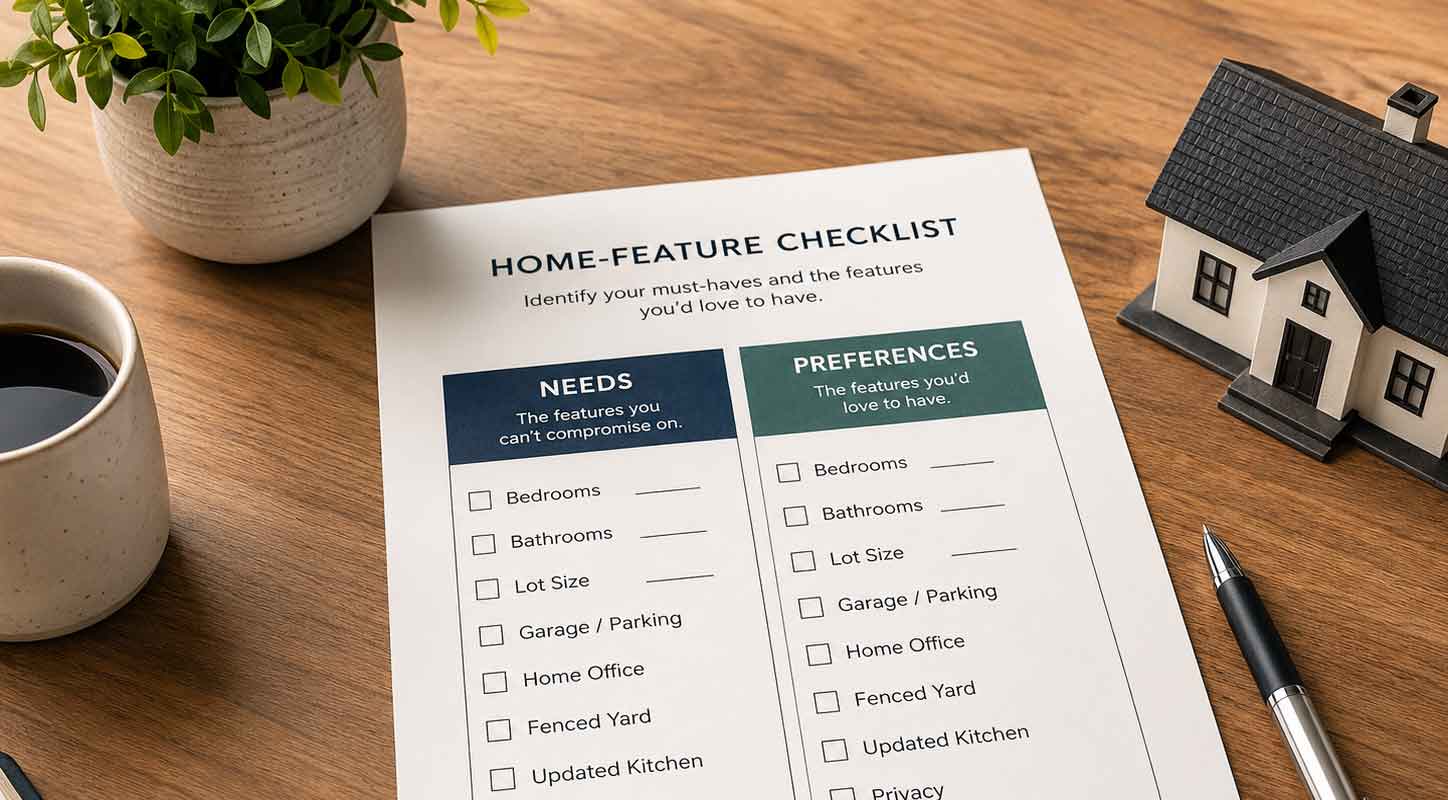
A focused home search starts with knowing the difference between something the property needs and something you would simply like to have.

Maximum Purchase Price

Set a firm purchase-price limit based on your financing, available funds, and overall financial plan. A property should not push you beyond the amount you are prepared to spend.

Maximum Monthly Payment

Choose a total monthly housing payment that fits your normal expenses and savings goals. Include the mortgage, taxes, insurance, association fees, and other required costs.

Minimum Bedrooms

Decide how many bedrooms your household needs for daily life, family changes, guests, or a home office. Do not rely on a space that cannot legally function as a bedroom.

Minimum Bathrooms

Determine the minimum number of bathrooms your household needs to function comfortably. Consider occupants, guests, accessibility, and the daily routine.

Required Location

Identify the locations that work for your commute, family obligations, services, and daily needs. A property may look good but still be a poor fit if its location does not work.

Readiness Area 8, MUST-HAVES CONTINUED

Protect Your Budget, Daily Needs, And Intended Use

Maximum Commute

Set the longest commute you are willing to accept for work, school, medical care, or family responsibilities. Test the drive during the hours you would normally travel.

Minimum Lot Size

Decide how much land you need for privacy, animals, gardening, equipment, recreation, or future plans.

Accessibility Needs

List any features required for safe and practical daily use, such as a single-story layout, wider doorways, limited steps, or an accessible bathroom.

Space for Animals or Equipment

Confirm that the property has enough usable space for pets, livestock, trailers, boats, tools, or equipment and that restrictions support the intended use.

Required Move-In Date

Identify when you need possession of the property. Consider your lease, current home sale, job transfer, school schedule, and temporary housing needs.

Road and Access Requirements

Decide whether you require a paved road, maintained access, or a specific driveway condition. Review easements and privateroad responsibilities when applicable.

Property-Use Requirements

Confirm that zoning, deed restrictions, association rules, and the physical property support your plans for animals, home businesses, workshops, rentals, or additional structures.

Your must-haves should protect your budget, daily needs, and intended use of the property.

Readiness Area 8, WORKSHEET

Put Your Priorities In Writing

Identify your top priorities before the property search begins. This gives you a practical way to compare homes when price, location, condition, lot size, and features do not all align. 

MY TOP 5 MUST-HAVES

1.

2.

3.

4.

5.

THE FIRST 3 PREFERENCES I WOULD ADJUST

1.

2.

3.

IF EVERYTHING DOES NOT ALIGN, I WOULD ADJUST THIS FACTOR FIRST

Location / Price / Condition / Lot Size / Home Size / Features / Timeline

Readiness Area 8, FLEXIBLE FEATURES

Preferences

Features you would enjoy but could compromise on for the right property.

Updated Kitchen

An updated kitchen may reduce immediate renovation work and improve daily use. It can remain a preference when the layout and major systems work, even if the finishes are not your first choice.

Pool

A pool can add recreation and outdoor enjoyment, but it also adds maintenance, insurance, and operating costs. Decide whether it is worth the added responsibility.

Mature Trees

Mature trees can provide shade, privacy, and character. They may also require maintenance, so review their condition and proximity to the home.

Additional Garage Space

Extra garage space can support vehicles, storage, equipment, or a workshop. It may be flexible when another part of the property can meet the same need.

Home Office

A dedicated office can improve privacy and productivity. A bedroom, den, loft, or other flexible space may still work when a separate office is unavailable.

Newer Construction

A newer home may offer modern systems and fewer immediate repairs. An older home can still be a strong option when it has been maintained and inspected properly.

READINESS AREA 8, PREFERENCES CONTINUED

Know Where You Can Compromise

Workshop or Outbuilding

A workshop, shed, or barn may support hobbies, storage, equipment, or animals. Consider whether there is room to add one later if the property does not already have it.

Community Amenities

A pool, clubhouse, trails, playgrounds, or fitness areas may improve daily life. Compare their usefulness with association fees and community rules.

Updated Bathrooms

Updated bathrooms may reduce renovation work and improve comfort. Cosmetic finishes can usually be changed later when the layout and major components are sound.

Fenced Yard

A fenced yard may be useful for children, pets, privacy, or animals. Existing fencing is convenient, but fencing may be installed later when restrictions permit it.

Outdoor Living Space

A porch, patio, lanai, or deck can add useful living space. Consider whether the property has room to create the outdoor area later.

Cosmetic Finishes

Flooring, paint, fixtures, cabinets, and countertops affect how a home feels, but they may carry less weight than location, price, condition, and function.

Preferences help narrow the search, but they should not eliminate a home that otherwise works well.

Your must-haves protect the function of the property. Your preferences help refine the search after the essentials are covered.

READINESS RESULT

Where Are You Right Now?

READY TO BEGIN

Your goals, timeline, income, available funds, payment range, preferred locations, and property needs are reasonably clear.

Next Step: Speak with a qualified lender and begin building a focused property search.

ALMOST READY

Most areas are clear, but 1 or 2 issues still need attention, such as your payment range, credit, savings, lease, home sale, timeline, or location.

Next Step: Identify the specific gap and address that issue instead of trying to solve everything at once.

PLANNING AHEAD

Your timing, finances, or goals are not yet clear enough for an active property search.

Next Step: Create a practical preparation plan and review it periodically until you are ready.

Each result is a valid stage. The goal is to identify the right next step, not to force the process.

ACTION PLAN

Your Next Three Actions

Based on what you reviewed, identify the next 3 actions that would move you forward.

1. WHAT DO YOU NEED TO CONFIRM?

2. WHO DO YOU NEED TO SPEAK WITH?

3. WHAT FINANCIAL, HOUSING, OR LOCATION ISSUE NEEDS ATTENTION?

ACTION 1

Action 1:

Target date:

ACTION 2

Action 2:

Target date:

ACTION 3

Action 3:

Target date:

BUYER CONSULTATION

Ready For A Practical Conversation?

You do not need to know everything before reaching out.

We can review your goals, timing, preferred areas, payment comfort, and property needs. If you are ready, we will build the next steps. If you are not ready, we will identify what needs to happen first.

No pressure. No fake urgency. Clear guidance so you can make a better decision.

Joseph Lugones

Lifestyle Specialist 

Rooted Estates Group |

Dalton Wade

Grounded in Lifestyle.
Growing in Legacy.

I don’t sell dreams. I help

build reality.

Talk Through Your Next Step
Search Avaliable Homes

BUYER CONSULTATION

Ready For A Practical Conversation?

This guide is provided for general educational purposes. It is not a loan approval, financial plan, legal opinion, tax recommendation, insurance quote, or guarantee of eligibility.

Mortgage requirements vary by lender, borrower, property, and loan program. Buyers should consult qualified lending, legal, tax, insurance, inspection, title, and other professionals when appropriate.

Property availability, financing terms, costs, taxes, insurance, and regulations may change.